Markeren:
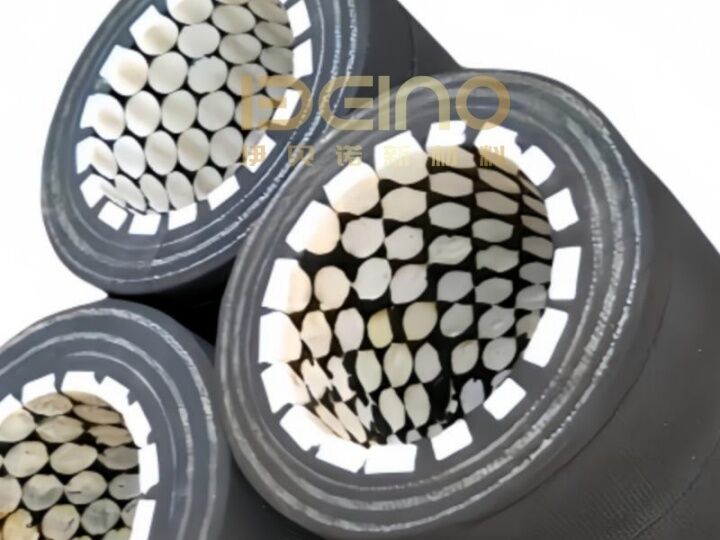
Uitstekende slijtvastheid Keramische flexibele pijpleiding
, Aanpasbare binnendiameter keramisch gevoerde rubberen slang
, 5 keer langere levensduur van keramische slang
Keramische Flexibele Pijpleiding voor Baggeren en Zandtransport
Inleiding van het product
Bij het baggeren en transporteren van zand in havens, rivieren en kustingenieursomgevingen wordt gebruik gemaakt van een zeer slijtage mengsel van zand, slib, grind en water.Deze materialen creëren een continue erosieve stroom., met name onder hoge stroomsnelheid en druk.
Traditionele rubber slangen falen vaak vroegtijdig als gevolg van interne slijtage, terwijl staalleidingen weinig flexibiliteit hebben en onder dynamische belastingomstandigheden zoals golfsbeweging gevoelig zijn voor barsten.trillingen van de apparatuur, en de verplaatsing van de pijpleiding.
De uitdaging is niet alleen slijtvastheid, maar ook het behoud van de structurele integriteit en flexibiliteit onder voortdurend veranderende werkomstandigheden.

Structural Engineering Design
Deze keramische flexibele pijpleiding is ontworpen met een meerdere lagen composietstructuur die is geoptimaliseerd voor het transport van slurry:
Innerlijke laag Aluminaseeramiek (≥95%):Biedt ultra hoge hardheid en weerstand tegen zanddeeltjes erosie.
Intermediate bonding layer:Zorgt voor een sterke hechting tussen keramiek en rubber en voorkomt delaminatie onder hoge druk.
Buitenste laag Versterkt nitrilrubber (NBR):Biedt flexibiliteit, treksterkte en weerstand tegen milieustress zoals blootstelling aan zeewater.
Dit ontwerp maakt het mogelijk dat de pijpleiding de prestaties behoudt, zelfs bij buigingen, trillingen en drukschommelingen.
Stroomgedrag en slijtage
In baggersystemen wordt slijtage hoofdzakelijk veroorzaakt door:
♣Hoog snelheidsdeeltjesinslag op pijpleidingswanden
♣Turbulentie bij bochten en aansluitpunten
♣Sedimentatie en herversnelling van deeltjes
Het gladde keramische binnenste oppervlak vermindert de turbulentieintensiteit en minimaliseert de wrijving tussen de deeltjeswand en vermindert de slijtage aanzienlijk in vergelijking met conventionele rubber slangen.
Bovendien voorkomt de hardheid van aluminiumkeramiek (≥ 85 HRA) micro-snijden en oppervlakteafbraak veroorzaakt door scherpe zanddeeltjes.
Toepassingsscenario's in baggerprojecten
♣Deze slijtvast keramische slang wordt veel gebruikt in:
♣De haven droge pijpleidingen
♣Projecten voor ontzilting van rivieren en kanalen
♣Transportsystemen voor het transport van zand en slijm
♣Offshore reclamatieprojecten
♣Pompontladingsleidingen
Ingenieursvoordelen
♣Verlengde levensduur in schuim van zand
♣Minder stilstand in baggerwerkzaamheden
♣Flexibele installatie voor drijvende of landleidingen
♣Hoge weerstand tegen zeewater en milieu-stress
♣Legere levenscycluskosten in vergelijking met staal- of rubberleidingen
Veelgestelde vragen
V1: Hoe lang is de levensduur onder baggeromstandigheden?
A: De levensduur is afhankelijk van de concentratie van de slurry, de grootte van de deeltjes en de stroom snelheid.de keramische flexibele pijpleiding kan 3-5 keer langer meegaan dan standaard rubber slangen, vooral in hoog slijtage onderdelen zoals pomp uitgangen en bochten.
V2: Kan de slang een hoge zandconcentratie slurry verwerken?
A: Ja. De aluminiumkeramische bekleding met een hoge hardheid (≥ 85 HRA) is speciaal ontworpen om de erosie van zware deeltjes te weerstaan, waardoor deze geschikt is voor transportsystemen met een hoge concentratie zandschlam.
V3: Is het geschikt voor offshore- of zeewateromgevingen?
A: Ja. De buitenlaag van NBR-rubber biedt een goede weerstand tegen zeewater, vochtigheid en milieu-stress, waardoor het geschikt is voor kust- en offshore-baggerprojecten.
V4: Kan het staalleidingen in baggersystemen vervangen?
A: Ja, voor slijtage- en flexibele secties. Keramische slangen zijn ideaal voor het vervangen van stalen leidingen in gebieden waar slijtage en trillingen cruciale factoren zijn.Terwijl stalen buizen nog steeds kunnen worden gebruikt voor lange rechte secties om de kosten te optimaliseren.
V5: Wat zijn de typische storingspunten van conventionele slangen?
A: Traditionele rubber slangen falen doorgaans als gevolg van slijtage van de binnenwand, delaminatie of barsten onder drukschommelingen.
V6: Is de installatie ingewikkeld in vergelijking met stalen buizen?
De keramische flexibele pijpleiding is gemakkelijker te installeren vanwege haar flexibiliteit.
V7: Hoe selecteer je de juiste slanggrootte?
Bij de selectie moet rekening worden gehouden met de doorstroming, de concentratie van de slurry, de grootte van de deeltjes en de systeemdruk.
V8: Krakken de keramische bekleding onder buigen?Nee, de slang is ontworpen met een gesegmenteerde keramische structuur en een elastische rubberen steun, zodat deze onder gecontroleerde buigomstandigheden de integriteit behoudt.

 Uw bericht moet tussen de 20-3.000 tekens bevatten!