Markeren:
met een vermogen van niet meer dan 50 W
, met een vermogen van niet meer dan 50 W
, met een vermogen van niet meer dan 50 W
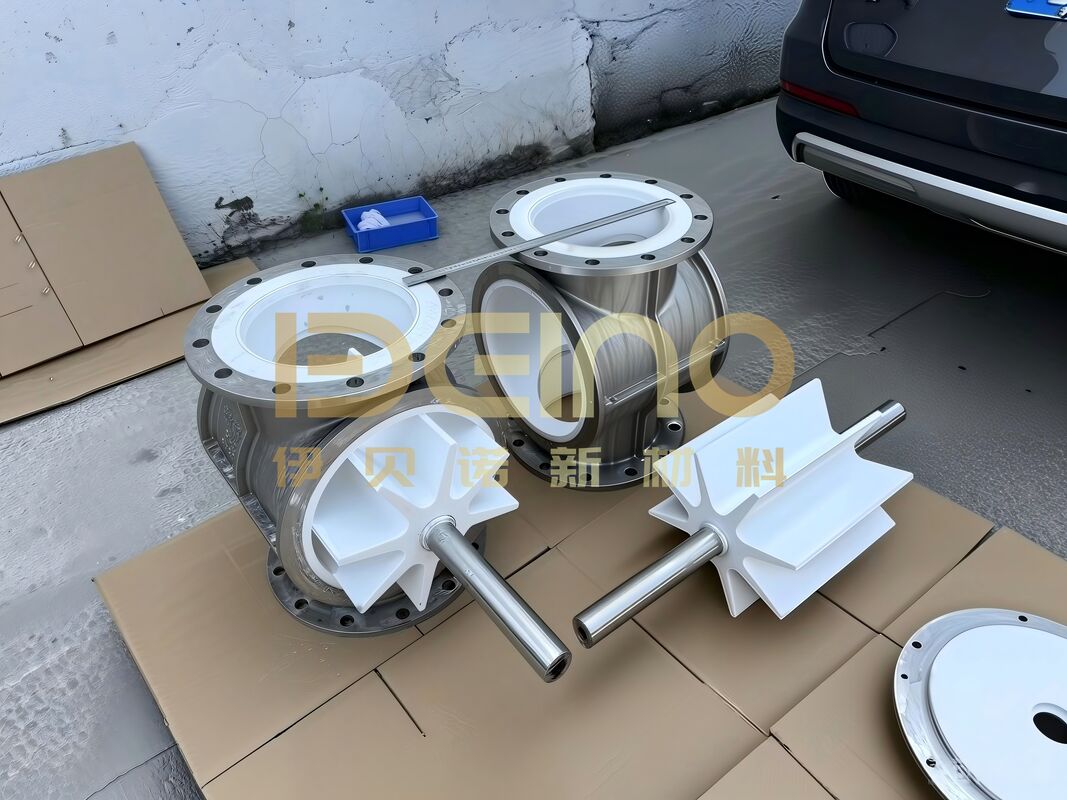
Rotatieontladingsklep met aluminium-keramische bekleding voor het vervoer van slijpstof
Waarom traditionele roterende kleppen snel verslijten in schuurpoedersystemen
In veel pneumatische transportsystemen is de roterende afvoerklep vaak een van de eerste onderdelen die ernstige slijtage ondervindt. Dit probleem doet zich vooral voor bij het hanteren van schurende materialen zoals silicapoeder, cementpoeder, vliegas, lithiumbatterijmaterialen, mineraalpoeder en andere harde deeltjes.
Traditionele roterende kleppen van gegoten staal of gelegeerd materiaal kunnen aanvankelijk normaal werken, maar voortdurende blootstelling aan schurende poeders vergroot geleidelijk de interne speling tussen de rotor en het kleplichaam. Zodra de slijtage ernstig wordt, beginnen problemen zoals luchtlekkage, onstabiele toevoer, drukschommelingen, materiaalophoping en onverwachte uitschakelingen zich voor te doen.
Voor industrieën die afhankelijk zijn van continue transportsystemen verhogen deze storingen niet alleen de onderhoudsfrequentie, maar hebben ze ook rechtstreeks invloed op de productie-efficiëntie en bedrijfskosten.
Om deze problemen aan te pakken, worden met keramiek beklede roterende afvoerkleppen steeds vaker gebruikt bij toepassingen met ernstige slijtage, waarbij gewone metalen kleppen geen stabiliteit op lange termijn kunnen handhaven.
Productbeschrijving
Deze met keramiek beklede roterende afvoerklep van aluminiumoxide is speciaal ontworpen voor zeer schurende poedertransportsystemen. Het klephuis en de rotor zijn inwendig bekleed met keramiek van zeer zuiver aluminiumoxide, waardoor een volledig slijtvaste structuur in de klep ontstaat.
In tegenstelling tot gewone metalen roterende sluizen die voor slijtvastheid alleen afhankelijk zijn van de hardheid van het staal, beschermt de met keramiek beklede structuur direct de gebieden die worden blootgesteld aan voortdurende materiaalerosie. Het ultraharde keramische oppervlak vermindert aanzienlijk de slijtage veroorzaakt door poederinslagen en wrijving bij hoge snelheid tijdens langdurig gebruik.
De klep wordt veel gebruikt in pneumatische transportsystemen voor:
- Lithiumbatterijpoeder
- Vliegas
- Cementpoeder
- Silica poeder
- Mijnbouw poeder
- Chemische poeders
- Andere schurende bulkmaterialen
Voor industrieën die een stabiele luchtsluistoevoer en een lange levensduur van de apparatuur vereisen, bieden keramisch beklede roterende sluizen een betrouwbaardere oplossing onder zware slijtageomstandigheden.
Waarom steeds meer industrieën overstappen op keramisch beklede kleppen
In veel abrasieve transportomgevingen is het eigenlijke probleem niet simpelweg het vervangen van de kleppen, maar de kettingreactie die wordt veroorzaakt door slijtage.
Zodra de rotor en de behuizing beginnen te slijten:
- De luchtlekkage neemt toe
- De nauwkeurigheid van de invoer wordt onstabiel
- Systeemdruk fluctueert
- Het energieverbruik stijgt
- Stoflekkage wordt ernstiger
- Stilstandonderhoud komt frequent voor
Bij materiaaltransportsystemen voor lithiumbatterijen is een ander belangrijk probleem metaalverontreiniging veroorzaakt door versleten metalen onderdelen. Omdat batterijfabrikanten steeds strengere eisen stellen aan de verontreinigingsbeheersing, worden traditionele metalen kleppen geleidelijk ongeschikt voor bepaalde poederverwerkingsprocessen.
Met keramiek beklede roterende sluizen lossen deze problemen op door ultrahard aluminiumoxide-keramiek te gebruiken om de belangrijkste slijtagegebieden te beschermen die direct worden blootgesteld aan schurende materialen. Vergeleken met gewone gelegeerde staalconstructies biedt aluminiumoxide-keramiek een aanzienlijk hogere hardheid, betere erosieweerstand, gladdere oppervlakken en verbeterde maatvastheid op lange termijn.
Dit helpt de afdichtingsprestaties en stabiele transportefficiëntie gedurende langere bedrijfsperioden te behouden.

Productstructuur en productiekenmerken
Samengesteld structuurontwerp
Het kleplichaam is gemaakt van CF8 roestvrij staal, wat een sterke drukweerstand en hoge mechanische sterkte biedt. Het is bestand tegen normale werkdrukken zoals 1,0 MPa en 1,6 MPa, terwijl de structurele stabiliteit behouden blijft tijdens continu gebruik.
De interne roterende holte, rotor, stroomkanaal en andere materiaalcontactgebieden zijn volledig bekleed met zeer zuiver aluminiumoxide-keramiek. De klepas is vervaardigd uit 304 roestvrij staal voor verbeterde corrosieweerstand en duurzaamheid.
Belangrijke slijtageplekken zoals de klepkern, klepzitting en hoeken van het stroomkanaal zijn speciaal versterkt om het volgende in evenwicht te brengen:
- Structurele sterkte
- Slijtvastheid
- Corrosiebestendigheid
- Duurzame afdichtingsstabiliteit
Geavanceerde bevestigingstechnologie voor de binnenvoering
In tegenstelling tot gewone keramische structuren van het patch-type, maakt deze klep gebruik van een integraal gesinterd keramisch busontwerp met een naadloze interne keramische voeringstructuur.
De keramische laag wordt stevig gefixeerd met behulp van zowel mechanische positionering als hogetemperatuurverbindingstechnologie, waardoor losraken of loslaten onder voortdurende materiaalimpact wordt voorkomen.
Het gladde, naadloze keramische oppervlak vermindert ook de ophoping van materiaal in de klep, waardoor dode hoeken worden geminimaliseerd en de wrijvingsweerstand tijdens het transport wordt verlaagd.
Uitstekende afdichtingsprestaties
Het afdichtingspaar maakt gebruik van een keramiek-keramische afdichtingsstructuur gecombineerd met uiterst nauwkeurige bewerkingstechnologie.
Vergeleken met gewone metalen afdichtingsoppervlakken die na slijtage geleidelijk aan precisie verliezen, behouden keramische afdichtingsstructuren een stabielere speling gedurende langere bedrijfsperioden.
Dit helpt bij het bereiken van:
- Betere luchtsluisprestaties
- Verminderde stoflekkage
- Stabiele systeemdruk
- Bidirectioneel afdichtingsvermogen
- Verbeterde transportefficiëntie
De klep is bijzonder geschikt voor gesloten pneumatische transportsystemen die een stabiele luchtstroomregeling en minder stoflekkage in de omgeving vereisen.
Lagere onderhoudsfrequentie en lagere bedrijfskosten
Bij continu abrasief transport vereisen gewone metalen kleppen vaak frequent onderhoud vanwege de snelle slijtage van rotor en kamer.
De met keramiek beklede structuur vermindert de slijtage van kwetsbare interne componenten aanzienlijk, waardoor de vervangingsintervallen worden verlengd en ongeplande stilstanden worden verminderd.
Omdat de keramische rotor en keramische bus afzonderlijk kunnen worden vervangen, wordt het onderhoud eenvoudiger en kunnen de bedrijfskosten op de lange termijn worden verlaagd.
Voor veel fabrieken die met continue transportsystemen werken, is het verminderen van de uitschakelfrequentie vaak waardevoller dan simpelweg het verlengen van de levensduur van onderdelen.
Typische toepassingsindustrieën
Deze met keramiek beklede roterende afvoerklep wordt veel gebruikt in:
- Materiaaltransportsystemen voor lithiumbatterijen
- Cement planten
- Systemen voor de verwerking van vliegas
- Silicapoeder transporteren
- Mijnbouw en verwerking van minerale poeders
- Chemisch poedertransport
- Pneumatische transportsystemen met hoge slijtage
- Stofopvang- en luchtsluistoevoersystemen
Producteigenschappen
- Volledige keramische slijtagebescherming voor rotor en kleplichaam
- Uitstekende weerstand tegen schurende poedererosie
- Stabiele luchtsluisafdichtingsprestaties
- Er blijft minder materiaal in de klep plakken
- Lagere onderhoudsfrequentie
- Geschikt voor continue transportsystemen
- Corrosiebestendige roestvrijstalen structuur
- Aanpasbare grootte, druk en aandrijfconfiguratie
Veelgestelde vragen
Vraag 1: Wat zijn de specifieke materialen en configuraties van deze keramische losklep? Wat zijn de verschillen?
A1: De standaardconfiguratie maakt gebruik van een CF8 roestvrijstalen kleplichaam en een 304 roestvrijstalen klepas. De rotor en roterende kamer zijn volledig gemaakt van 95-99% hoogzuiver aluminiumoxide-keramiek. In tegenstelling tot gewone geplateerde keramische kleppen is dit model voorzien van een gegoten keramische bus uit één stuk zonder naden, waardoor deze bestand is tegen erosie en keramische chippen wordt voorkomen. Het is duurzamer dan gewone keramische kleppen en slijtvaste metalen kleppen.
Vraag 2: Welke materialen zijn geschikt om te transporteren? Kan het zeer schurende poeders verwerken?
A2: Het is speciaal ontworpen voor zeer schurende poeders en korrelige materialen, zoals lithiumbatterijpoeder, vliegas, mineraalpoeder, zand en corrosieve chemische poeders. Het heeft een hoge hardheid, is erosiebestendig en is niet bang voor langdurige impact van harde deeltjes. Het is ook bestand tegen zuur- en alkalicorrosie en kan worden gebruikt met zowel droge als natte materialen.
Vraag 3: Is het keramische onderdeel gevoelig voor barsten of afbrokkelen?
A3: Nee. Het product maakt gebruik van een geïntegreerde gesinterde keramische bus, gecombineerd met mechanische sleuven en hogetemperatuurlijm voor dubbele fixatie, wat resulteert in een stabiele structuur. Onder normale bedrijfsomstandigheden zal het niet barsten zonder impact van harde voorwerpen, in tegenstelling tot gewone keramische patchkleppen, die gevoelig zijn voor losraken en lekken. Het is geschikt voor langdurig continu gebruik zonder uitschakeling.
Vraag 4: Wat is de weerstand tegen hoge temperaturen? Kan het worden gebruikt in stofomstandigheden met hoge temperaturen?
A4: De normale bedrijfstemperatuur op lange termijn is ≤300℃. Het keramiek zal bij hoge temperaturen niet zacht worden, vervormen of oxideren. Het roestvrijstalen kleplichaam heeft een uitstekende weerstand tegen hoge temperaturen en kan direct worden gebruikt in poederomstandigheden met hoge temperaturen in energiecentrales en ovens.

 Uw bericht moet tussen de 20-3.000 tekens bevatten!